


The GoPro Mounting System - Why It’s One of the Most Innovative and Versatile Camera Ecosystems Ever Built

When people talk about action cameras, they usually focus on resolution, frame rates, or stabilization. But the real secret behind the dominance of GoPro isn’t just what the camera captures.
It’s where you can put it.
The GoPro mounting system quietly became one of the most innovative hardware ecosystems in the action sports world. It transformed a small waterproof cube into a camera that could live anywhere - on a helmet, under a bumper, inside a roll cage, on a bedside rack, or even suspended off a control arm. That mounting flexibility is what turned GoPro from a cool gadget into essential motorsports and off-road gear.
The Simplicity That Changed Everything
The core of the GoPro mounting system is deceptively simple: a three-prong pivot interface and a thumb screw.
That’s it.
No proprietary tools. No complicated brackets. No specialty hardware required. Just a standardized pivot connection that locks down securely and allows angle adjustments in seconds.
This design accomplished three critical things:
That standardization created a modular ecosystem. Once you owned one mount, you understood them all.
Built for Vibration and Impact
Motorsports and off-roading are brutal on equipment. Desert whoops shake vehicles violently. Rock crawling introduces sharp impacts. High-speed track days produce sustained vibration. Overland travel means heat, dust, and long-term stress.
GoPro’s mounting system was designed to survive these conditions. The pivot arms distribute load evenly. The thumb screw creates clamping force across the joint rather than relying on tiny fasteners. Accessories are built from impact-resistant materials designed for real-world abuse.
Endless Mounting Possibilities
The brilliance of the GoPro system lies in its versatility.
Here are just a few common mounting styles used in motorsports and off-road builds:
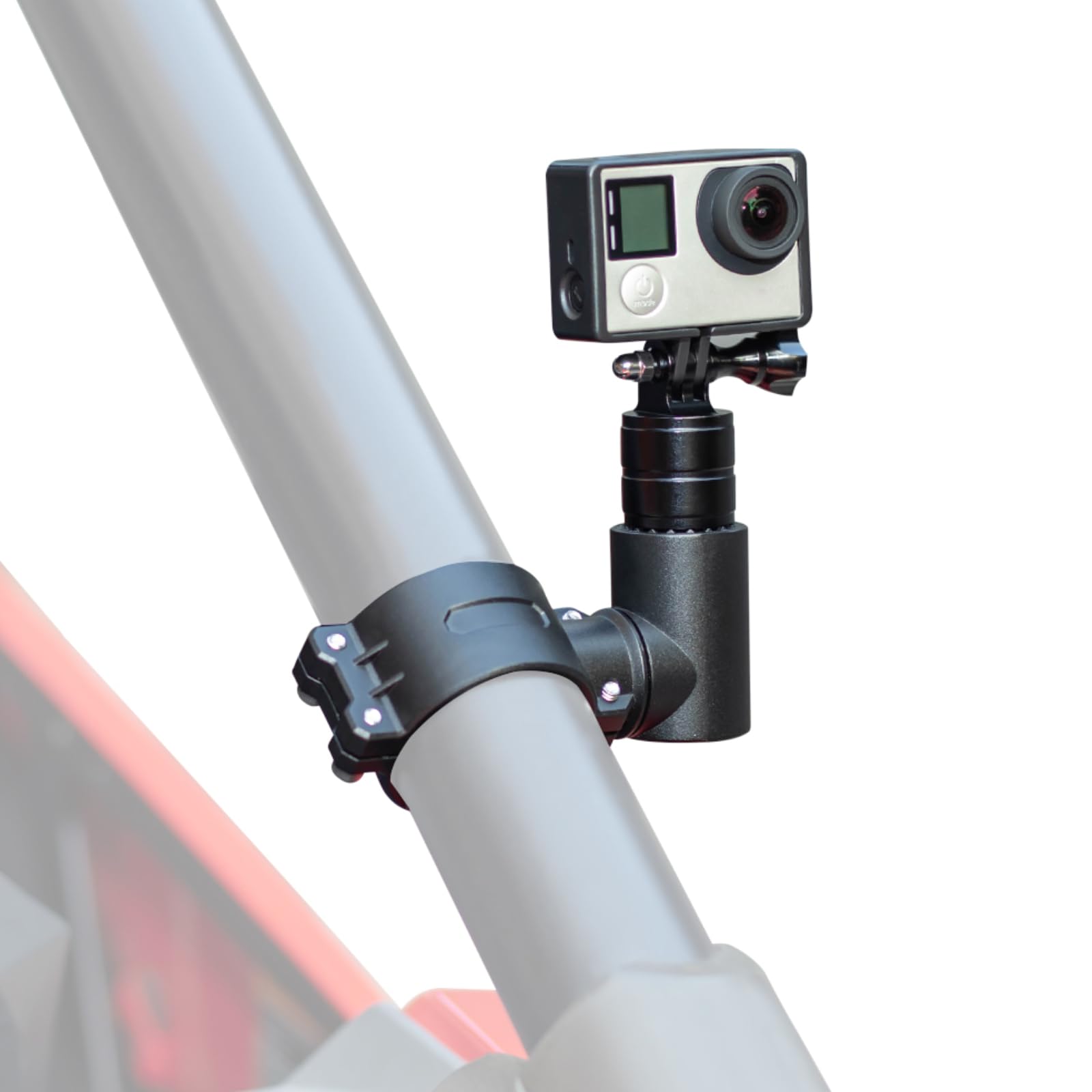
Roll Cage Mounts
Roll cage mounts clamp directly to tubular structures. Perfect for race trucks, UTVs, and prerunners, they provide interior driver-perspective footage or rear-facing suspension views.
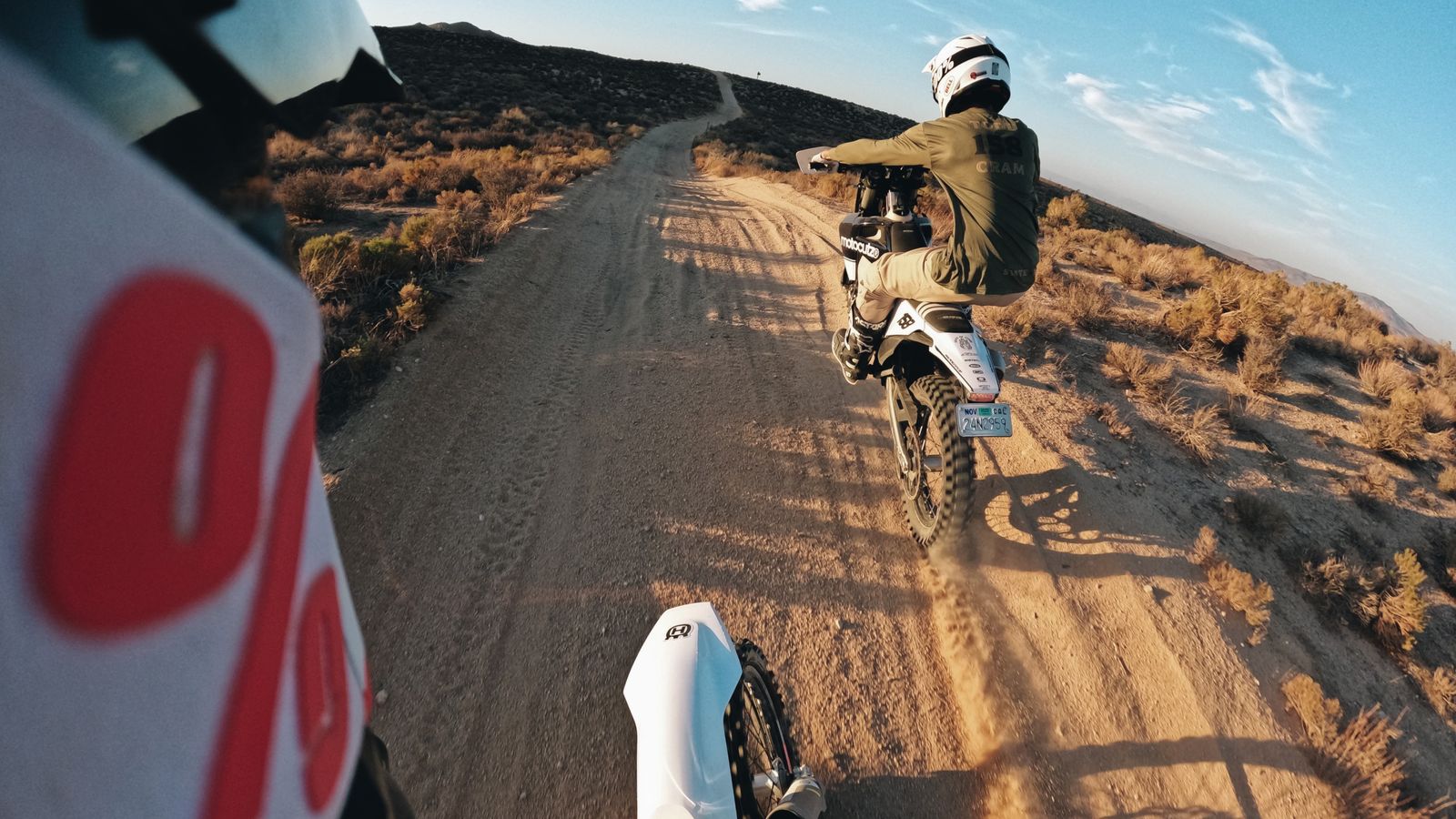
Helmet and Chin Mounts
Helmet mounts revolutionized POV filming. Whether you're racing desert, riding motocross, or navigating a technical trail, helmet placement gives viewers the most immersive perspective possible.

Suction Cup and Windshield Mounts
Heavy-duty suction systems allow external mounting on glass, hoods, or body panels. When properly installed, they withstand high-speed wind loads and vibration.
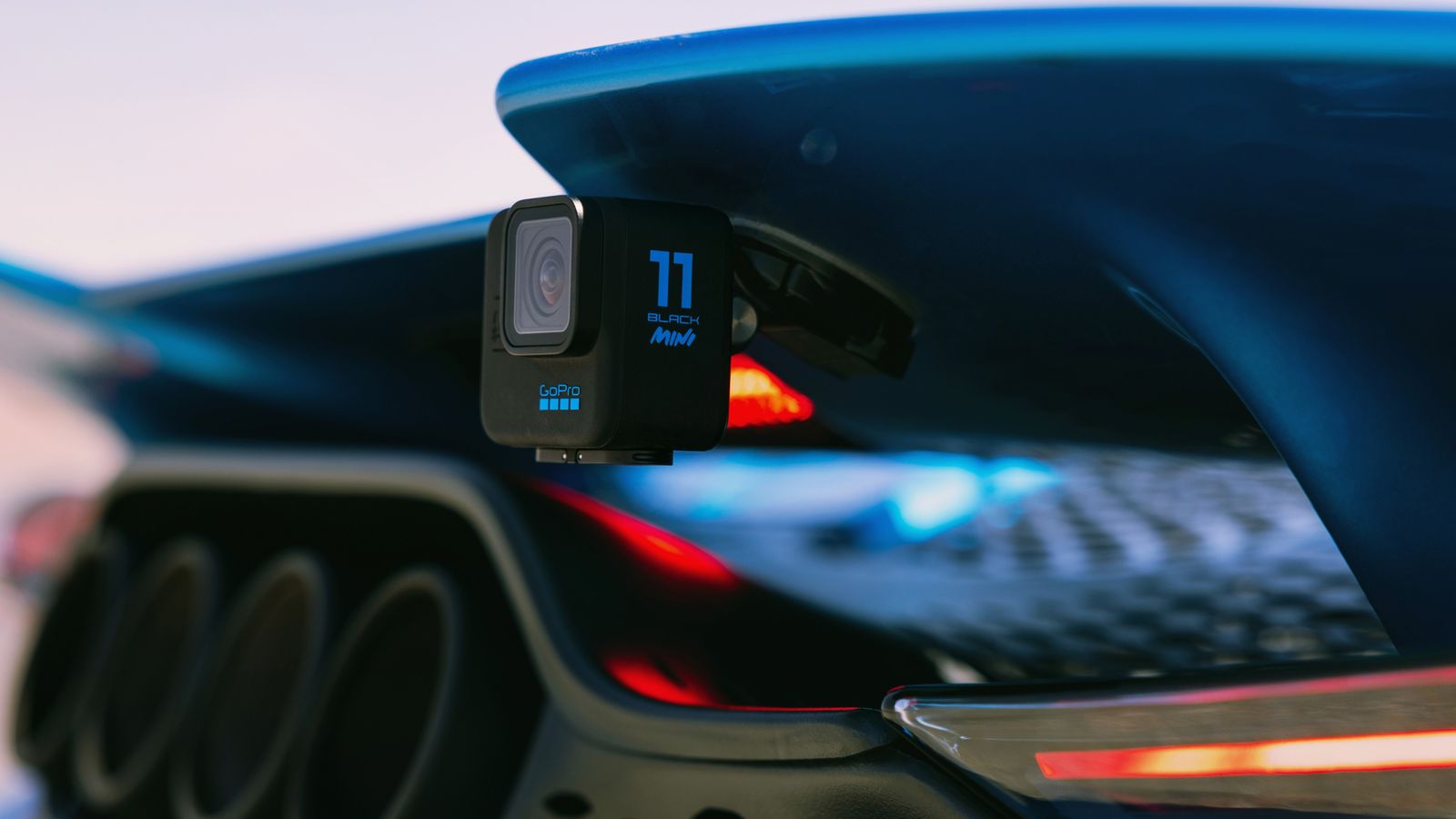
Adhesive and Low-Profile Mounts
Adhesive mounts allow extremely low-profile camera positioning. These are ideal for bumper shots, articulation views, or creative angles that larger mounts cannot accommodate.
Modularity - The Secret Weapon
The mounting system isn’t just about individual mounts. It’s about how they all connect.
With extension arms, swivel adapters, quick-release bases, and pivot joints, users can offset the camera from mounting surfaces, adjust vertical and horizontal angles, and even switch cameras between vehicles quickly
This modularity is what makes the system future-proof. As your vehicle evolves, your mounting strategy can evolve with it.
Why the Ecosystem Matters in Automotive Builds
In the off-road world, clean installs matter. No one wants cluttered interiors or shaky footage caused by flexing brackets.
Secure mounting is critical for:
- Clear suspension articulation shots
- Stable in-cab driver footage
- Rear-facing trail coverage
- Time-lapse overland travel content
When paired with rigid mounting points - such as steel bed racks, MOLLE panels, or roll cage brackets - the GoPro system becomes even more effective.
At Mountech, we see the importance of structural mounting surfaces every day. A high-quality camera deserves a high-quality anchor point. Combining rigid mounting arms with the GoPro interface eliminates vibration and maximizes footage clarity.

Innovation Beyond Hardware
The mounting system also influenced how people think about content creation.
Because repositioning is so easy, users experiment more. They try new angles. They capture suspension compression. They mount cameras low for dramatic rock-crawling perspectives. They get creative because the system invites experimentation rather than discouraging it.
That ease of use lowers the barrier to storytelling.
Why It Still Leads the Market
Other brands have tried to replicate the pivot-style mount. Some have copied it outright. Others attempted proprietary systems.
But GoPro’s ecosystem remains the standard because:
In motorsports and off-roading, trust is everything.
When you tighten that thumb screw before a race start or a trail climb, you’re trusting that mount to hold steady through vibration, heat, and impact. The fact that this simple mechanical interface has endured for years speaks volumes about its engineering.
A Small Interface That Changed Action Filming
The success of GoPro isn’t just from the sensor, the processor, or the stabilization software.
It’s also from the mounting system.
That small three-prong design created a universal language for action camera placement. It empowered racers, off-roaders, builders, and content creators to capture angles that were once impossible. It made storytelling modular. It made creativity accessible.
In motorsports and off-road culture, that kind of versatility isn’t just convenient.
It’s essential.
Give the camera a real anchor point
Three-prong GoPro interface on a 1-inch ball, machined aluminum arms, no flex.


